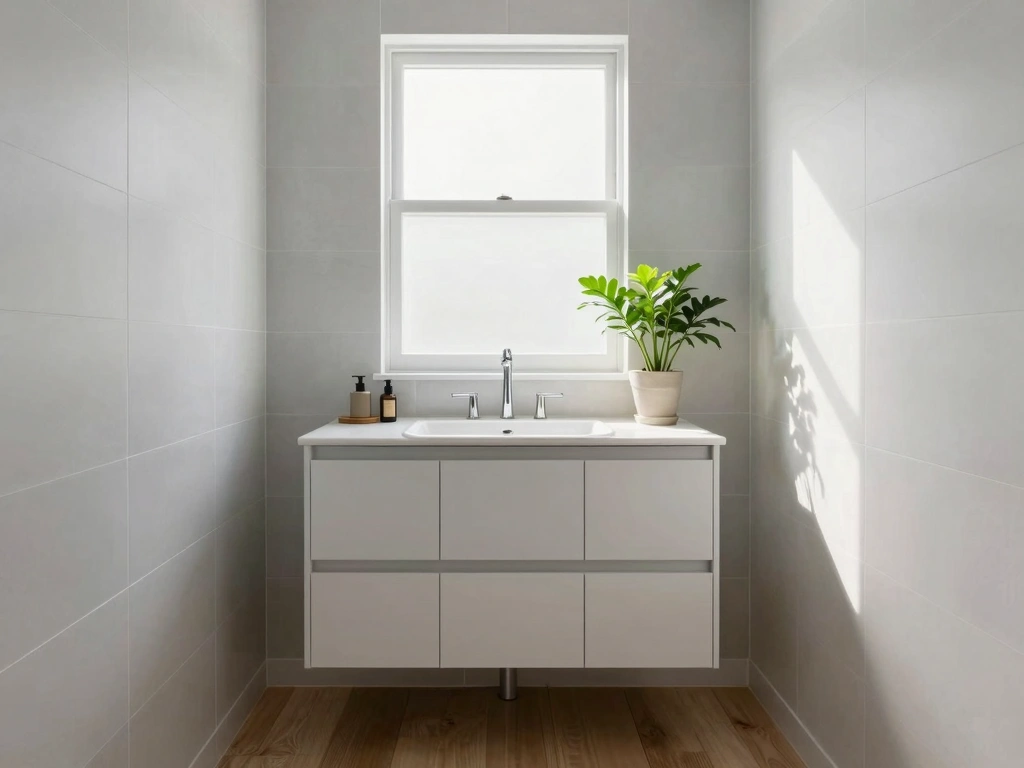
Understanding the Average Costs of a Small Bathroom Remodel
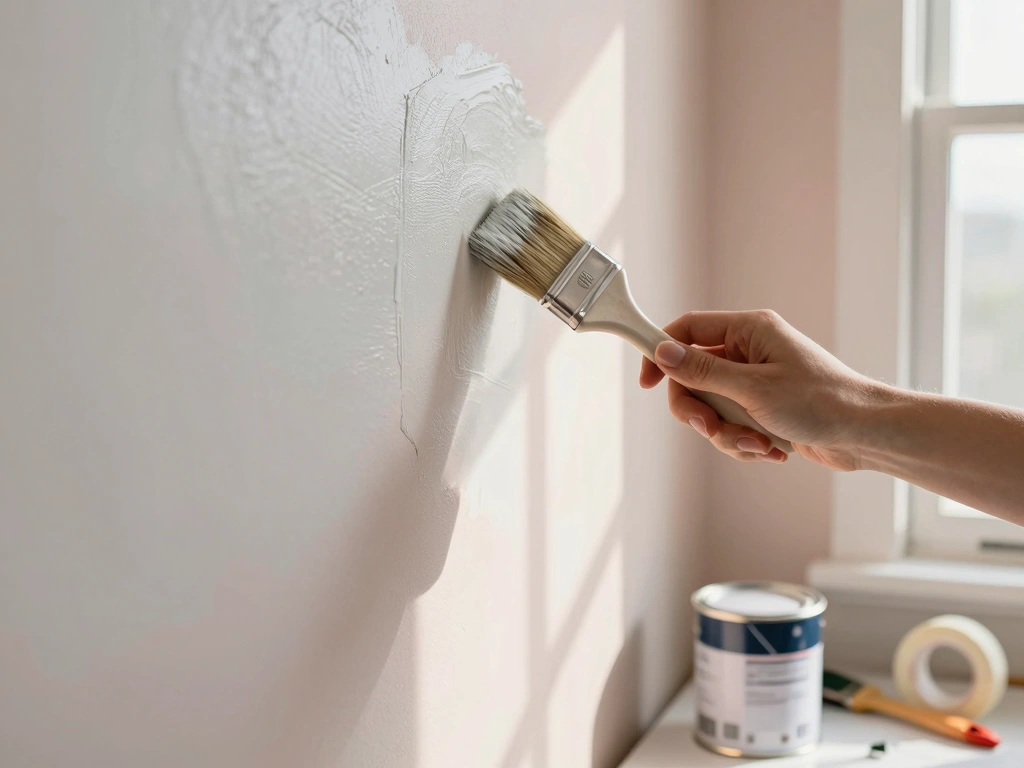
Remodeling a small bathroom can be a daunting task, especially when trying to stick to a budget. The costs can vary widely depending on several factors, including the scope of the project, the quality of materials, and labor costs. In this section, we will break down the average costs associated with a small bathroom remodel, focusing on labor, materials, and miscellaneous expenses.
Breakdown of Labor Costs
Labor costs typically account for a significant portion of your remodeling budget. On average, you can expect to pay between $50 to $150 per hour for skilled labor, depending on your location and the complexity of the job. For a small bathroom remodel, which might take approximately 40 to 80 hours, labor costs can range from $2,000 to $12,000.
- Plumbing: Installing or relocating plumbing fixtures can be one of the costliest aspects, often ranging between $1,000 to $3,500.
- Electrical Work: If you need to upgrade lighting or add outlets, expect to pay around $500 to $1,500.
- General Carpentry: Installation of cabinets, countertops, and other structures can add another $1,000 to $3,000 to your labor costs.
Materials and Fixtures Pricing
Materials and fixtures are where you can truly customize your remodel, but they can also quickly add up. Here’s a breakdown of typical costs:
- Tiles: Depending on the type and brand, tile can cost anywhere from $1 to $15 per square foot. For a small bathroom (around 40 square feet), this could amount to $40 to $600.
- Vanities: A new vanity can range from $200 for a basic model to over $1,500 for a high-end option.
- Fixtures: Faucets and showerheads typically cost between $50 and $300 each.
- Paint: A gallon of paint costs around $30 to $60, and you may need 1-2 gallons for a small bathroom.
Permits and Miscellaneous Expenses
Don't forget to factor in the costs for permits and miscellaneous items that can often be overlooked:
- Permits: Depending on your location, permits can cost between $50 and $500.
- Miscellaneous Supplies: Items like caulk, screws, and adhesive can add up to $100 to $300.
When all is said and done, the total cost for a small bathroom remodel can range from approximately $5,000 to over $25,000, depending on the choices you make.
Budgeting Techniques for Small Bathroom Remodels
Creating a budget for your small bathroom remodel is essential to ensure that you stay on track financially. Here are some effective budgeting techniques to consider:
Setting a Realistic Budget
The first step in your budgeting process is to establish a realistic budget based on your financial situation and the average costs discussed earlier. Take a hard look at your finances and determine how much you can spend without compromising your financial stability. Consider the following:
- Assess your savings and available financing options.
- Review your current bathroom to identify what needs to be changed and prioritize those items.
- Factor in unexpected costs by setting aside around 10% to 20% of your total budget for contingency.
Prioritizing Upgrades for Maximum Impact
Not all upgrades will yield the same return on investment. Focus on those that offer the most impact for your budget:
- Vanity Replacement: Upgrading to a modern vanity can transform the look of your bathroom.
- Lighting: Good lighting can elevate the aesthetic and functionality of your space.
- Tile Changes: Consider changing only the floor or wall tiles instead of a complete overhaul.
Using a Contingency Fund
Unexpected expenses are almost a given during a remodel. To prepare for unplanned costs, it is wise to allocate a contingency fund as part of your overall budget. Aim for at least 10% to 20% of your total budget. For example, if your bathroom remodel budget is $10,000, setting aside $1,000 to $2,000 for unforeseen expenses can save you from financial strain later on.
Cost-Effective Design Ideas for Small Bathrooms
When working with a limited budget, it's essential to be creative with your design choices to maximize both aesthetics and functionality. Here are some cost-effective design ideas:
Affordable Tile Alternatives
Tiles can quickly become one of the most expensive components of your remodel. Consider these affordable alternatives:
- Vinyl Flooring: Luxury vinyl tiles mimic the look of natural materials and can cost as little as $2 per square foot.
- Painted Tiles: Instead of replacing tiles, consider refinishing them with specialized tile paint for a fresh look.
- Peel-and-Stick Tiles: These easy-to-install options can cost around $1 to $5 per square foot and allow you to create a unique design.
Choosing Budget-Friendly Fixtures
Fixtures can significantly impact your budget. Here are some ways to save:
- Shop Outlets: Retailers like Home Depot and Lowe's often have sales on plumbing fixtures.
- Consider Second-Hand: Check local thrift stores or online marketplaces for gently used fixtures.
- Opt for Simple Designs: Sleek, minimalist faucets and showerheads tend to be more affordable.
Color Schemes that Save Money
Color can dramatically change the perception of space in a small bathroom. Consider the following cost-effective color strategies:
- Light Colors: Use light colors to make the space appear larger. Painting the walls a soft white or light pastel can be inexpensive.
- Accent Walls: Instead of painting the entire room, consider creating an accent wall for a pop of color.
- Use Existing Color Palettes: Incorporate colors that already exist in your home for continuity and to reduce the need for extra paint.
DIY vs. Professional Help: Cost Implications
Deciding whether to tackle the remodel yourself or hire professionals can greatly affect your budget. Here’s how to evaluate your options:
Evaluating Your DIY Skills
Before jumping into a DIY project, assess your skills realistically:
- Plumbing and Electrical Work: These tasks typically require professional expertise and should not be attempted by novices.
- Painting and Tiling: If you have basic skills, you might save a considerable amount by doing these tasks yourself.
- Cabinet Installation: This can be done by a handy homeowner with some research and practice.
Cost Comparisons: DIY vs. Hiring a Contractor
Here’s a quick comparison of costs between DIY and hiring a contractor for common tasks:
- DIY Painting: Costs can be around $100 for paint and supplies versus $500 to $1,000 for professional painters.
- DIY Tiling: Material costs can be around $300 compared to $1,000 for a professional installation.
- Plumbing: DIY may be impossible here, as hiring a plumber will usually cost between $1,000 to $3,500 depending on the work.
When to Call in Professionals
While DIY can save money, some tasks should always be left to professionals:
- Complex Plumbing: If you need to relocate pipes or install new fixtures, call a licensed plumber.
- Electrical Work: Electrical codes are strict, and hiring an electrician is crucial for safety and compliance.
- Structural Changes: If your remodel involves moving walls or altering the layout, an architect or contractor is necessary.
Tips for Saving Money During Your Remodel
Even with a well-planned budget, there are additional strategies to save money during your small bathroom remodel:
Shopping Sales and Discounts
Keeping an eye out for sales can lead to substantial savings:
- End of Season Sales: Many retailers offer significant discounts on bathroom fixtures during clearance sales at the end of the season.
- Online Coupons: Websites might offer discounts or coupons that can be applied to your purchases.
- Bulk Purchases: Buying materials in bulk can sometimes qualify for discounts.
Repurposing Existing Features
Before you decide to buy new, consider the possibility of repurposing what you already have:
- Refinish Cabinets: Instead of replacing cabinets, consider painting or refinishing them for a fresh look.
- Update Hardware: Swapping out old knobs and handles can give your cabinets a new life without the expense of a full replacement.
- Salvage Fixtures: With some cleaning and a bit of paint, old fixtures can often be made to look brand new.
Timing Your Remodel for Cost Savings
The timing of your remodel can also affect costs. Consider these tips:
- Off-Season Remodeling: Scheduling your remodel during the off-peak season can sometimes lead to lower labor costs.
- Flexible Timing: If your project timeline is flexible, you may be able to take advantage of discounts or lower rates.
By taking the time to plan your small bathroom remodel carefully, you can achieve your dream space without overspending. Whether you decide to take on the project yourself or hire professionals, understanding costs, budgeting techniques, cost-effective design choices, and tips for saving can help you navigate the remodeling process successfully.